
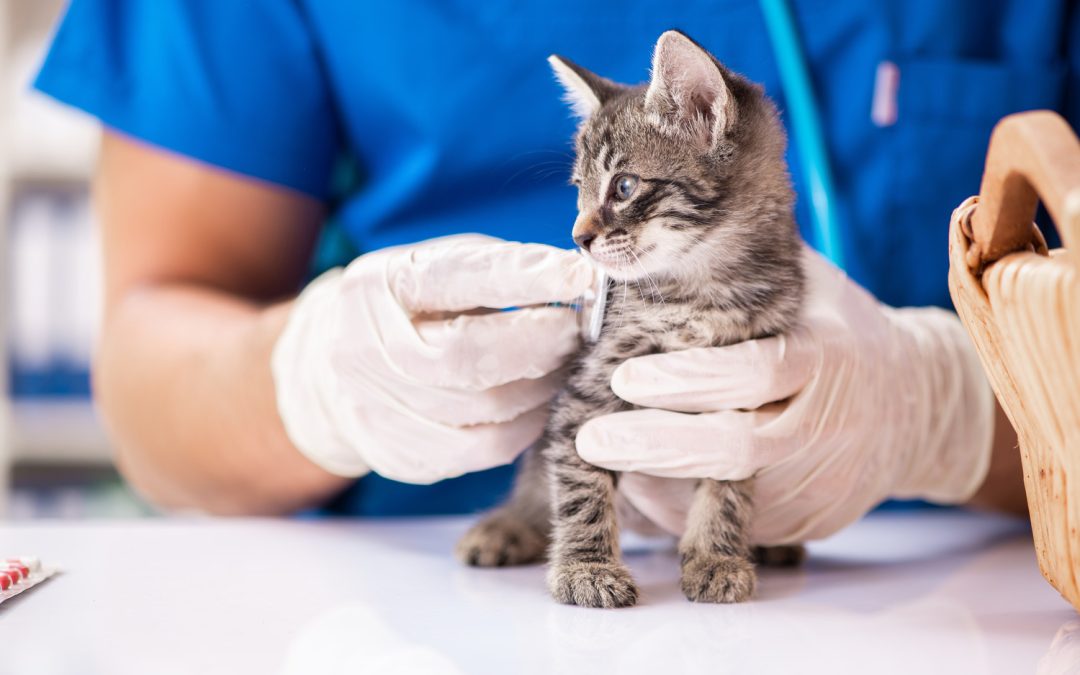
Pets are family, and like any member of the family, their health deserves regular attention. One of the most common questions pet owners ask is how often their pet should see a veterinarian. The answer depends on your pet’s age, lifestyle, and overall health.
Most pets should visit a veterinarian at least once per year for a wellness exam. However, the recommended schedule can vary depending on life stage and medical needs.
Typical veterinary visit schedules include:
- Puppies and kittens typically need multiple visits during their first year for vaccinations and developmental monitoring
- Adult pets generally benefit from annual wellness exams
- Senior pets often need veterinary visits every six months to monitor age-related health changes
Routine veterinary visits help monitor important aspects of your pet’s health, including:
- Weight and body condition
- Dental health
- Vaccination status
- Parasite prevention
- Early signs of illness or disease
At Meow Bark Veterinary in Austin, TX, our team focuses on preventative care and creating fear-free veterinary experiences for pets. By scheduling regular wellness visits, pet owners can help their dogs and cats stay healthier and more comfortable throughout every stage of life.
This Article Will Address
- How often dogs should go to the vet
- How often cats should see a veterinarian
- Whether indoor pets still need regular vet visits
- When senior pets should see the vet more frequently
- What happens during a pet wellness exam
- Why preventative veterinary care is important for long-term health
How Often Should Dogs Go to the Vet?
Dogs require veterinary care throughout every stage of life, from their early puppy months to their senior years. Routine exams allow veterinarians to monitor growth, detect early health concerns, and keep vaccinations and parasite prevention up to date.
Veterinary Visits for Puppies
Puppies should typically have their first veterinary visit between 6 and 8 weeks of age. During the first year, puppies require multiple appointments to support their development and establish a strong foundation for lifelong health.
Early veterinary visits often include:
- Vaccination schedules to protect against common diseases
- Parasite testing and prevention
- Physical examinations to monitor growth and development
- Nutritional guidance
- Behavioral and training recommendations
At Meow Bark Veterinary, our team provides comprehensive puppy and preventative care services to help young pets get the healthiest start possible.
Vet Visit Frequency for Adult Dogs
Once dogs reach adulthood, most benefit from annual wellness exams. These visits help ensure that your pet remains healthy and allows veterinarians to monitor any changes over time.
During adult dog wellness visits, veterinarians often evaluate:
- Weight and body condition
- Dental health and signs of periodontal disease
- Vaccination updates
- Parasite prevention needs
- Nutrition and lifestyle factors
Routine exams also allow veterinarians to detect early signs of illness before they become more serious problems.
Vet Visit Frequency for Senior Dogs
As dogs age, their healthcare needs often change. Many veterinarians recommend wellness visits every six months for senior dogs.
These more frequent visits help monitor:
- Arthritis and mobility changes
- Organ function
- Dental health
- Weight fluctuations
- Early indicators of chronic conditions
At Meow Bark Veterinary in Austin, our team offers advanced diagnostics and senior pet care to help aging dogs stay comfortable and maintain their quality of life.
How Often Should Cats See a Veterinarian?
Cats may appear independent, but they require regular veterinary care just like dogs. Because cats tend to hide signs of illness, routine wellness exams are especially important for detecting health concerns early.
Most adult cats should see a veterinarian once per year for a wellness exam. As cats age, more frequent visits may be recommended.
Senior cats often benefit from veterinary exams every six months so veterinarians can monitor health changes more closely.
Common health concerns that veterinarians often identify during routine feline exams include:
- Dental disease
- Kidney disease
- Thyroid disorders
- Weight changes or obesity
At Meow Bark Veterinary, we provide feline wellness care designed to support your cat’s health at every stage of life.
Do Indoor Pets Need Regular Vet Visits?
Many pet owners assume that indoor pets do not need regular veterinary care. However, indoor pets still benefit greatly from routine veterinary visits.
Even pets that live primarily indoors can develop health issues that require professional monitoring.
Routine veterinary visits help address concerns such as:
- Vaccination protection
- Parasite prevention
- Dental disease detection
- Nutritional guidance
- Behavioral concerns
In Austin, environmental factors can also affect indoor pets. Fleas and other parasites can still enter homes, and heartworm disease remains a concern throughout Texas.
Regular veterinary visits allow veterinarians to help protect pets from these risks while monitoring overall health.
When Should Senior Pets See the Vet More Often?
Pets are generally considered seniors around 7 years of age for many dogs and around 10 years for many cats. As pets enter their senior years, veterinary care becomes even more important.
Older pets often benefit from veterinary exams every six months. These visits help veterinarians monitor changes that may occur as pets age.
During senior pet exams, veterinarians commonly evaluate:
- Arthritis and mobility changes
- Organ function
- Dental health
- Body weight and muscle condition
- Signs of chronic disease
Additional diagnostic testing may include:
- Bloodwork
- Urinalysis
- Imaging when needed
These screenings help detect conditions early and allow veterinarians to begin treatment sooner. At Meow Bark Veterinary in Austin, our team provides senior pet care services designed to support pets as their needs change with age.
What Happens During a Pet Wellness Exam?
A wellness exam is a comprehensive health evaluation designed to assess your pet’s overall condition and detect potential problems early.
During a typical wellness exam, veterinarians may perform:
- A full physical examination
- Dental health evaluation
- Vaccination updates
- Parasite screening or prevention planning
- Nutritional discussions
- Behavioral assessments
- Diagnostic testing when appropriate
These visits also provide an opportunity for pet owners to discuss any concerns about their pet’s behavior, diet, or lifestyle.
At Meow Bark Veterinary, we prioritize fear-free veterinary care to help pets feel comfortable during their visit. Our goal is to create a calm and welcoming environment so both pets and their owners feel supported.
Why Preventative Veterinary Care Is Important for Your Pet’s Health
Preventative veterinary care plays an essential role in keeping pets healthy throughout their lives. Routine visits allow veterinarians to monitor changes and identify health concerns before they become serious.
Regular veterinary care helps:
- Detect illness early
- Maintain a healthy weight
- Prevent parasites and infectious disease
- Monitor chronic health conditions
- Support long-term wellness
By maintaining a consistent veterinary schedule, pet owners can help their pets live longer and healthier lives.
Supporting Lifelong Pet Health with Routine Vet Visits
Routine veterinary care is one of the most important ways to support your pet’s long-term health. While most pets benefit from annual wellness exams, puppies, kittens, and senior pets often require more frequent visits.
Regular veterinary care allows veterinarians to monitor health changes, provide preventative treatments, and detect medical issues early.
At Meow Bark Veterinary in Austin, TX, Dr. Brian Hayes, Dr. Erica Lozoya, and their team are committed to providing compassionate, community-focused veterinary care. Our clinic offers preventative care, diagnostics, dental care, and surgical services designed to support your pet’s health at every stage of life.
If you are looking for trusted veterinary care in Austin, scheduling a wellness exam is a great step toward helping your pet stay healthy and active. Contact Meow Bark Veterinary today to schedule your pet’s next visit.
Sources

Dr. Brian Hayes
Dr. Brian Hayes has spent more than 10 years working with pets & the people who love them, starting as a kennel technician & steadily growing into the veterinarian he is today. He is known for his calm, friendly presence & his Fear-Free approach, which helps anxious pets feel safe & respected. When he is not in the clinic, you will often find him outdoors or working on a hands-on project, & he brings that same steady, thoughtful energy to every appointment.
Dr. Erica Lozoya
Dr. Erica Lozoya combines strong medical training with a genuine love for getting to know each pet as an individual. Her path includes years in corporate & relief medicine, experiences that shaped her thoughtful, well-rounded approach to care. She believes “medicine is an art,” & she pairs Fear-Free techniques with clear, compassionate communication so pet parents feel confident every step of the way. Outside of work, she enjoys snowboarding, music, & sports, & her curiosity & warmth show up in every visit.
