
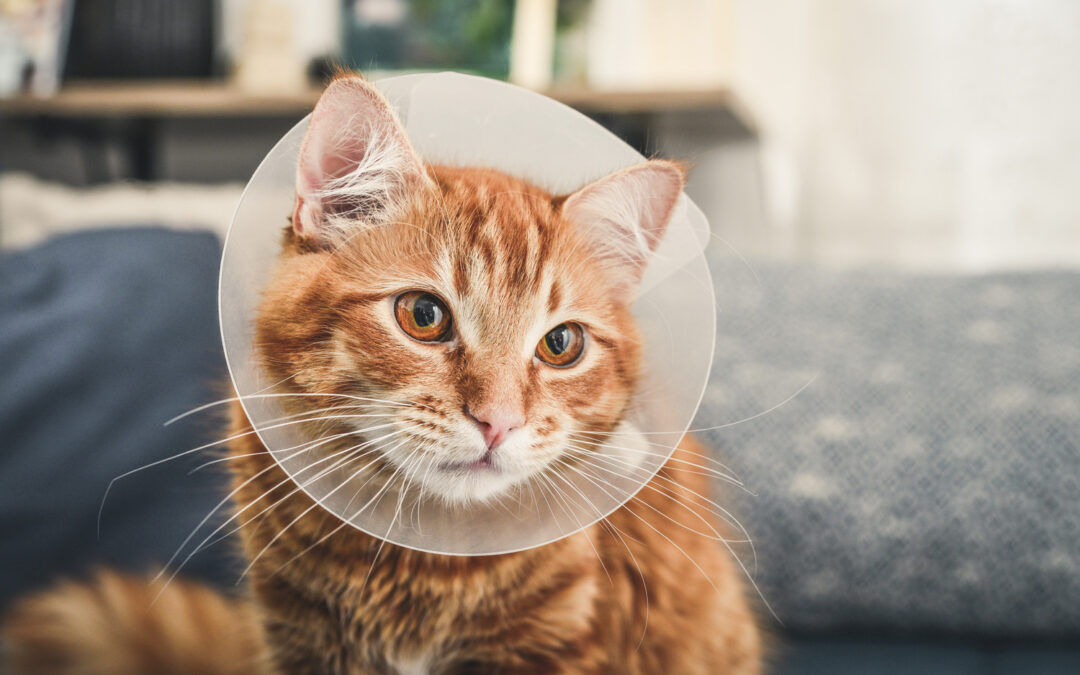
Preparing for your pet’s surgery can feel a little overwhelming, especially when you’re not sure what to expect. The good news is that most procedures involve just a few simple steps: preparing your pet the night before, dropping them off the morning of surgery, and picking them up later that day. Once home, most pets need about two weeks of restricted activity to allow their incision to heal. At Meow Bark Veterinary, we’re here to guide you through every step, answer your questions, and help make the experience as stress-free as possible for both you and your pet.
Most of what happens during the procedure is handled by us. Your pet gets a check-up that morning, an anesthesia plan matched to their needs, and steady monitoring of vital signs until they wake up in a warm recovery area. The part that happens at home matters just as much, though, and it’s the part people tend to underestimate. Healing tissue needs calm days. A dog who feels great on day four and leaps off the couch, or a cat who works at her incision with her tongue, can turn a routine recovery into a second visit. Our pet surgery services include a pre-surgical consultation for exactly this reason: knowing what’s normal, what isn’t, and how long to keep the brakes on gets most pets through recovery without a setback.
We built Meow Bark around fear-free care, which means handling every patient in ways that keep stress as low as possible. That matters on a day when your pet is already out of their routine. Dr. Brian Hayes started out as a kennel tech and worked as a veterinary assistant before becoming a veterinarian, so he has seen surgery days from just about every spot in the clinic. Dr. Erica Lozoya completed her internship at VERG and worked in corporate and relief medicine before co-founding the practice. Between them, they’re happy to answer the questions people sometimes feel silly asking, like whether your pet can drink water that morning (yes) or what to do if the cone won’t stay on. If cost is part of the worry, we accept Cherry payment plans and Care Credit. And because we offer a full range of preventive, dental, and surgical care, the team that sees your pet for wellness exams is the same team handling the follow-up.
This Article Will Address
- Getting your pet ready in the days and hours before surgery
- What happens between morning drop-off and afternoon pickup
- Caring for your pet at home while the incision heals
- Typical healing timelines for common procedures
- Warning signs that mean it is time to call us
How Should I Prepare My Pet for Surgery?
Prepare your pet by scheduling a pre-surgical consultation, withholding food after 10pm the night before their proedure, and keeping fresh water available the whole time and not bathing for 24 hours prior to their procedure. During the consultation, Dr. Brian Hayes or Dr. Erica Lozoya reviews your pet’s medical history and makes sure they’re in good shape for anesthesia. Your vet may also recommend pre-anesthetic bloodwork, which checks liver and kidney function before anesthesia.
The night before and the morning of, run through this short list:
- Pick up the food bowl and any treats 10:00pm the night before, but leave water down. If your pet has diabetes or another chronic illness, we will give you a separate plan for food, water, and medication timing.
- Give any anxiety medication exactly as we discussed at the consultation, and call us if you are unsure about timing.
- Write down every medication and supplement your pet takes, along with when the last dose was given.
- Pack a favorite blanket or toy that smells like home.
- Keep your phone nearby all day. We will reach out when your pet is out of their procedure and set up a discharge.
Cat owners have one extra step. Set the carrier out in the living room a few days early, door open, with a soft towel inside. A carrier that has become part of the furniture is far less alarming than one that only shows up right before a car ride.
What Happens on the Day of Your Pet’s Surgery?
Procedures at Meow Bark are outpatient, so you’ll drop your pet off early in the morning and bring them home later the same day. Our doors open at 7 a.m. and your pet will be scheduled for an admission time between 7:15-8:00am, which leaves time to drop off before work. Monday through Saturday, which leaves time for drop-off before work.
Once your pet is checked in, the team performs a pre-surgical exam to confirm they’re ready. Next comes anesthesia tailored to your pet’s specific needs, then the procedure itself, with vital signs monitored from start to finish. Afterward, your pet wakes up in a warm, comfortable recovery area where staff keep an eye on them until they’re steady enough to go home. If your pet needs care through the night, we’ll direct you to an appropriate overnight facility so monitoring continues after hours.
Pickup is the time to slow down and ask questions. You’ll leave with medications, written incision care instructions, and details on any follow-up visit. Expect a shaved patch, a line of sutures or surgical glue, and possibly a cone. Your pet may also be groggy, a little wobbly, or unusually vocal that evening. Those are common signs of anesthesia wearing off.
What Does Pet Surgery Recovery Involve?
Recovery at home comes down to four jobs: keeping your pet calm and confined, protecting the incision, giving pain medication on schedule, and watching appetite and bathroom habits. The first 24 hours are mostly about rest. Plenty of pets sleep more than usual, skip a meal, or walk a little unsteadily that first evening, and it usually fades by the next day.
Set up the space before you head out for pickup:
- Choose a small room or a crate with no furniture to jump on. Cats do best in a quiet room with food, water, and a low-sided litter box.
- Take dogs out on a short leash for bathroom breaks only, even in a fenced yard.
- Keep the cone or recovery suit on whenever you can’t watch your pet directly. Licking can introduce bacteria or pull out stitches in a matter of seconds.
- Look at the incision once a day and take a photo, so small changes are easy to spot.
- Skip baths and swimming until we clear your pet.
- Never give human pain relievers, since several common ones are toxic to dogs and cats.
Pain control matters even when your pet seems fine, because dogs and cats are good at hiding discomfort. We send home appropriate medications, and they work best given exactly as directed rather than stopped early. If your pet goes home with a bandage, we’ll explain how to keep it clean and dry and when it needs to be changed or removed.
How Long Does It Take Pets to Heal After Surgery?
Most pets heal from routine soft-tissue surgery in about 10 to 14 days, while dental procedures usually take a few days while bone or joint repairs take several months. Here’s how that tends to break down:
- Spay and neuter surgery: about 10 to 14 days of limited activity while the incision closes.
- Mass removals and other soft-tissue procedures: usually 10 to 14 days, sometimes longer for large incisions or ones that sit over a joint.
- Dental procedures: most pets feel like themselves within a few days, though extractions can mean extra restrictions, such as softer food, for a little while.
- Orthopedic surgery, such as a knee repair: often six to eight weeks or more, with activity added back in stages.
The tricky stretch is usually days three through seven. Pain medication plus returning energy can make a dog feel ready to run well before the tissue underneath is ready, and that’s a common time for pulled stitches and swollen incisions. Age and other health conditions can extend the timeline, too. Follow-up visits let us check healing in person and tell you when it’s safe to ease back into normal activity.
Which Signs After Surgery Mean You Should Call Your Vet?
Call us if the incision opens, drains, or looks worse instead of better, or if your pet stops eating, begins vomiting, or seems more uncomfortable as the days go on. Mild redness and swelling in the first few days are part of normal healing, and the incision should look a bit better each day after that.
Reach out to our team if you notice any of these:
- A gap along the incision, thick or cloudy discharge, a bad smell, or redness and swelling that keep spreading
- Bleeding from the incision that doesn’t stop
- No interest in food or water for more than 12 hours, or vomiting and diarrhea
- Sleepiness or wobbliness that hasn’t eased after 24 hours
- No bowel movement after 48 hours, straining, or trouble urinating
- Crying or restlessness that lasts more than an hour
A quick photo of the incision helps us judge whether something needs a same-day look. Pale gums, labored breathing, or collapse are emergencies, so if those happen outside our hours, go straight to a 24-hour emergency hospital.
Book Your Pet’s Pre-Surgical Consultation at Meow Bark Today
Surgery day goes more smoothly when you know what’s coming, and the best time to ask questions is before the date is set. Meow Bark Veterinary is welcoming calls from pet owners in Austin, TX, whether your pet needs a spay, a mass removal, or dental work, or you just want to talk through what recovery will look like at your house. Our fear-free approach and detailed take-home instructions are there to make the weeks after surgery feel manageable. Call 512-770-9550 or schedule a pre-surgical consultation with our team today.
Sources

Dr. Brian Hayes
Dr. Brian Hayes has spent more than 10 years working with pets & the people who love them, starting as a kennel technician & steadily growing into the veterinarian he is today. He is known for his calm, friendly presence & his fear-free approach, which helps anxious pets feel safe & respected. When he is not in the clinic, you will often find him outdoors or working on a hands-on project, & he brings that same steady, thoughtful energy to every appointment.
Dr. Erica Lozoya
Dr. Erica Lozoya combines strong medical training with a genuine love for getting to know each pet as an individual. Her path includes years in corporate & relief medicine, experiences that shaped her thoughtful, well-rounded approach to care. She believes “medicine is an art,” & she pairs fear-free techniques with clear, compassionate communication so pet parents feel confident every step of the way. Outside of work, she enjoys snowboarding, music, & sports, & her curiosity & warmth show up in every visit.
